
Having a website is a crucial step in building your online presence, whether you’re running a business, launching a blog, or promoting a service. However, merely building a website is insufficient. ” If it’s not visible on Google, it may as well not exist. Since Google is the most used search engine in the world, appearing in its search results is essential for attracting visitors and growing your reach.
1. Understand How Google Works
Before diving into strategies, it’s important to understand how Google operates. Google uses automated bots called Googlebots to “crawl” websites and discover content. Once these bots find your site, they add its pages to Google’s index. When users search for something relevant to your site, Google’s algorithm retrieves matching results and ranks them based on relevance, quality, and usability.
The Three Main Processes:
- Crawling: Googlebot finds web pages by following links.
- Indexing: Google analyzes and stores page content in its massive index.
- Ranking: Pages are shown in search results based on Google’s ranking algorithm.
To appear on Google, your site must first be crawled and indexed. After that, the goal is to improve its ranking.
2.
. Make Sure Your Website is Accessible to Google
Google cannot display your website in search results if it cannot access it. To make sure Google can locate and view your website, follow these steps:
a) Submit Your Website to Google
Use Google Search Console, a free tool offered by Google, to:
Add and verify ownership of your website.
Submit your sitemap to help Google understand your site’s structure.
Monitor indexing status and resolve crawl a
console
3. Make Your Website Search Engine Optimized (SEO)
Search Engine Optimization, or SEO, is the process of making your website more attractive to search engines. Good SEO increases the chances of your website appearing on the first page of search results.
a) On-Page SEO
Focus on optimizing elements within your website: 
Page Titles and Meta Descriptions: Each page should have a unique title and description containing relevant keywords.
Headings (H1, H2, H3): Use headings to organize your content and include your keywords naturally.
URL Structure: Keep URLs clean and keyword-rich (e.g., www.yoursite.com/best-coffee-recipes).
Internal Linking: Link between related pages to help Google understand the structure and hierarchy of your site.
Image Alt Text: Give your photographs a description that Google can comprehend.
b) Technical SEO
Technical SEO focuses on improving the backend of your website:
Mobile-Friendliness: Make sure your site looks good and works well on smartphones and tablets.
Page Speed: Faster websites rank better. Utilize resources like Google PageSpeed Insights to find and address sluggish loading problems.
HTTPS Security: To secure your website using HTTPS, use an SSL certificate.
Structured Data: Add schema markup to your content so Google can display rich snippets.
c) Off-Page SEO
This involves building your site’s credibility through: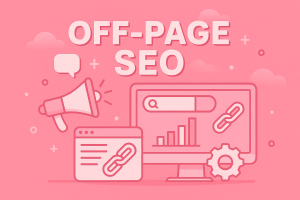
Backlinks: Links from other reputable websites pointing to your site. From Google’s perspective, they serve as votes of confidence.
Social Media Sharing: While not a direct ranking factor, sharing your content can drive traffic and encourage others to link to your site.
Make Your Website Search Engine Optimized (SEO)
Search Engine Optimization, or SEO, is the process of making your website more attractive to search engines. Good SEO increases the chances of your website appearing on the first page of search results.
a) On-Page SEO
Focus on optimizing elements within your website:
Page Titles and Meta Descriptions: Each page should have a unique title and description containing relevant keywords.
Headings (H1, H2, H3): Use headings to organize your content and include your keywords naturally.
URL Structure: Keep URLs clean and keyword-rich (e.g., www.yoursite.com/best-coffee-recipes).
Internal Linking: Link between related pages to help Google understand the structure and hierarchy of your site.
Image Alt Text: Give your photographs a description that Google can comprehend.
b) Technical SEO
Technical SEO focuses on improving the backend of your website:
Mobile-Friendliness: Make sure your site looks good and works well on smartphones and tablets.
Page Speed: Faster websites rank better. Utilize resources like Google PageSpeed Insights to find and address sluggish loading problems.
HTTPS Security: To secure your website using HTTPS, use an SSL certificate.
Structured Data: Add schema markup to your content so Google can display rich snippets.
c) Off-Page SEO
This involves building your site’s credibility through:
Backlinks: Links from other reputable websites pointing to your site. From Google’s perspective, they serve as votes of confidence.
4. Create High-Quality, Relevant Content
Content is king when it comes to Google Search. Google aims to deliver the best possible results to users, so your content must be:
Original: Avoid copying content from other sites.
Informative: Answer the user’s query thoroughly.
Well-structured: Use headings, bullet points, and short paragraphs to improve readability.
Targeted: Focus each page on a specific topic or keyword.
Use Keywords Naturally
Research the phrases people use to search for your topic. Use tools like Google Keyword Planner or Ubersuggest to find keywords and include them in your content naturally—without stuffing.
- Update Content Regularly
Adding new material lets Google know that your website is active.. Update outdated posts and continue adding new content to improve your chances of ranking.
5.
Build Backlinks to Your Site
Google uses backlinks (links from other websites to your website) as a key ranking factor. They convey the idea that your website is trustworthy and valuable.
How to Get Backlinks:
Guest Posting: Write articles for other blogs in your niche.
Business Directories: List your website on Google Business Profile, Yelp, and niche directories.
Content Marketing: Publish valuable, share-worthy content like infographics, guides, or original research.
Social Media Promotion: To improve visibility, post your content on sites like Facebook, Instagram, LinkedIn, and Twitter.
Backlinks from high-authority websites carry more weight, so focus on quality, not just quantity.
6. Use Google My Business (for local sites).
If your business serves a local area (like a restaurant or service center), create a Google Business Profile.
Give the name, address, phone number, and hours of operation of your business.
Choose relevant categories and upload photos.
Collect and respond to customer reviews.
This helps your business appear in local results and Google Maps, increasing visibility for nearby searchers.
7. Make Sure Your Website is Mobile-Friend
Your website needs to be mobile-responsive because mobile devices account for more than 60% of Google searches. Because Google uses mobile-first indexing, it primarily indexes your website on its mobile version.
Make use of Google’s Mobile-Friendly Test tool to identify and address any problems.
8. Speed Up Your Website
Website speed impacts both user experience and SEO. A slow website can hurt your rankings and increase bounce rates.
Tips to speed up your site:
- Use a fast, reliable hosting provider.
- Optimize images (compress and use modern formats).
- Minimize the use of heavy scripts and unnecessary plugins.
- Use caching and a Content Delivery Network (CDN).
Fast-loading sites not only perform better on Google but also keep visitors engaged longer.
9. Promote Your Website
Promotion helps drive traffic, gain backlinks, and attract Google’s attention faster.
Ways to Promote:
- Social Media: Share your content on platforms like Facebook, Twitter, Instagram, and LinkedIn.
- Email Marketing: Send newsletters or updates to your subscribers.
- Forum Participation: Engage in relevant communities like Reddit or Quora and link to your content where appropriate.
- Paid Ads: Use Google Ads or Facebook Ads to generate traffic quickly, especially for new websites.
Promotion builds awareness and encourages organic growth over time.
10. Track Your Website’s Performance
Use these tools to monitor your website:
- Google Search Console: Track which pages are indexed, see which queries bring traffic, and find technical issues.
- Google Analytics: Monitor user behavior, traffic sources, bounce rate, and session duration.
- SEO Tools (Ahrefs, SEMrush, Moz): Analyze backlinks, competitor performance, and keyword rankings.
Tracking performance helps you understand what’s working and where to improve.
11. Be Patient and Stay Consistent
Even if you do everything right, your website won’t appear on Google overnight. It can take days, weeks, or even months depending on:
- Your website’s age
- Competition in your niche
- Quality and frequency of updates
- Number and quality of backlinks
SEO is a long-term investment. Keep improving your site, creating valuable content, and building authority—and Google will reward your efforts.