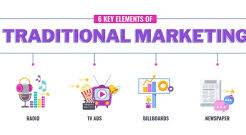
In a world increasingly dominated by smartphones, social media, and digital ads, it’s easy to assume that traditional marketing is dead. .While digital marketing has transformed However, that couldn’t be more untrue. How we reach and engage with customers: traditional marketing still plays a vital role in building brand awareness, driving sales, and connecting with audiences. From TV commercials and billboards to newspaper ads and radio spots, traditional marketing methods continue to influence consumer behavior—especially in markets where digital access is limited or where offline engagement still dominates . In this in-depth blog, we’ll explore: What is traditional marketing? The types and examples of traditional marketing Why traditional marketing still matters Its advantages and disadvantages How it compares to digital marketing And how businesses can create an integrated approach using both What Is Traditional Marketing? Traditional marketing refers to the promotion of products and services using conventional, offline channels. These are the mediums that have existed for decades—long before the rise of the internet. It focuses on mass communication through one-way messaging to reach a broad audience. Traditional marketing methods are typically more expensive, harder to track, and slower to implement than digital methods, but they can still be very effective. Types of Traditional Marketing Here are the main categories of traditional marketing: 1. Print Marketing Print is one of the oldest forms of marketing and includes: Newspaper Ads Magazine Ads Brochures and Flyers Posters, Catalogs, and Direct Mail Despite the digital boom, millions of people still read newspapers and magazines regularly, making print advertising valuable—especially for local businesses. 2. Broadcast Marketing This refers to ads that are broadcast to the masses via electronic mediums, including Television Commercials Radio Advertisements TV ads are especially effective for brand building due to their visual and emotional appeal, while radio is cost-effective and widely used in cars, homes, and workplaces. 3. Outdoor Marketing (Out-of-Home or OOH) Outdoor advertising includes billboards. Transit Ads (buses, taxis, subways) Hoardings, Signboards, and Banners These help brands remain visible 24/7 in high-traffic areas and are excellent for local brand awareness. 4. Telemarketing This involves direct calls to potential customers to promote services or follow up on leads. Though often associated with sales calls, it’s still used in sectors like banking, telecom, and insurance. 5. Event Marketing Traditional marketing also includes sponsorships and physical events: Trade Shows, Exhibitions, Conferences, Street Promotions These events allow businesses to interact face-to-face with potential clients and partners. Why Traditional Marketing Is Still Important Despite the growth of digital platforms, traditional marketing still matters for several reasons: 1. Wider Reach in Non-Digital Areas Many regions across the world—especially rural areas or developing markets—still rely heavily on traditional media like newspapers, TV, and radio due to lack of reliable internet access. Traditional marketing helps you reach audiences that are not digitally connected. 2. Higher Credibility and Trust People often trust what they see in newspapers or watch on TV. These mediums are seen as more credible and official compared to the often cluttered and unregulated nature of digital ads. Example: A full-page newspaper ad for a new real estate project can convey more legitimacy than a random social media ad. 3. Emotional Connection Through Storytelling TV and radio ads allow brands to tell engaging stories with visuals and sound. This kind of sensory experience is hard to replicate with digital ads that are often brief or text-heavy. TV commercials like those aired during the Super Bowl are famous for their emotional appeal and storytelling. 4. Strong Local Brand Presence Billboards, flyers, and posters are excellent tools for building local awareness. A restaurant placing hoardings near office complexes or a coaching institute advertising on school buses are examples of location-targeted traditional marketing. 5. Physical, Tangible Impact A brochure or print catalog can be touched, stored, or passed on. This tangible quality gives traditional marketing materials a longer lifespan compared to digital content that’s often forgotten quickly. 6. Better for Brand Recall Seeing the same TV ad repeatedly or passing the same billboard every day can lead to strong brand recall. . Advantages of Traditional Marketing Let’s break down some of the key advantages: Adva A brand can become more ingrained in the minds of consumers through physical visibility and repetition. ntage Explanation Mass Outreach Ideal for campaigns targeting a broad demographic (TV, radio, newspapers) Longevity Flyers, posters, and print ads can be preserved and referred to later. Local Targeting Excellent for businesses operating in specific cities or regions. Higher Trust Factor Traditional media is often seen as more credible. Brand Recognition Visual repetition on billboards or TV increases memorability. Disadvantages of Traditional Marketing However, traditional marketing is not without its limitations: Disadvantage Explanation High Costs TV and print ads are expensive, especially for prime time or full-page ads. Limited Tracking Difficult to measure ROI or know how many people actually saw the ad One-Way Communication No real-time interaction or engagement with the audience Slower Execution Designing and publishing print ads takes time personalization. Ads are broadcast to everyone, not tailored to specific individuals. Traditional vs Digital Marketing: Key Differences Feature Traditional Marketing Digital Marketing Channel Offline (TV, print, radio) Online (web, social, email) Cost High Variable (low to high) Measurability Difficult Highly measurable Audience Targeting General Highly targeted Interaction One-way, two-way (interactive) Speed Slower Real-time Personalization Limited Highly personalized Reach local, national, or global Real-Life Examples of Traditional Marketing Success Amul’s Billboard Campaigns Amul has used witty billboard ads in newspapers and outdoor spaces for decades. Their topical, humorous style has kept them in the public eye consistently. Lifebuoy’s Village Outreach In rural India, Lifebuoy used wall paintings and door-to-door campaigns to spread hygiene awareness—traditional tactics that were more effective than digital in those areas. Coca-Cola’s TV Commercials Despite being a global brand with digital campaigns, Coca-Cola still invests heavily in television ads for emotional branding. When Should Businesses Use Traditional Marketing? Here are scenarios where traditional marketing works best: Targeting older demographics who consume newspapers and print media
while digital marketing dominates today’s business landscape, traditional marketing remains a valuable and relevant strategy, especially when aiming to reach audiences in more personal, tangible, and memorable ways. Channels such as television, radio, print media, billboards, and direct mail continue to build strong brand recognition, evoke emotional connections, and reach demographics that may not be as active online.
The strength of traditional marketing lies in its ability to create lasting impressions through physical presence and mass exposure. For example, a well-placed billboard or a TV commercial during a popular program can instantly capture attention and influence buying decisions. However, its effectiveness increases when combined with digital marketing strategies, creating a multi-channel approach that maximizes reach and impact.
Rather than viewing traditional and digital marketing as competing methods, businesses should see them as complementary tools. By integrating both, you can engage a wider audience, build trust, and create a consistent brand experience across platforms. In the modern age, the smartest marketing strategies acknowledge the continued relevance of traditional methods while leveraging the precision and measurability of digital campaigns to achieve the best results.