
In today’s fast-paced, digitally-driven world, businesses can no longer rely solely on traditional marketing to start up, a small business, Connecting with your target audience, increasing brand awareness, and boosting revenue are all possible with digital marketing for major corporations. Maintaining your target audience, increasing brand awareness, and boosting revenue are all possible with digital marketing for major corporations. Maintain and grow. The internet has reshaped how customers interact with brands, making digital marketing an essential component of any business strategy. Whether you are a This article explores why digital marketing is important for business, how it works, the advantages it offers, and how you can leverage it to stay ahead in a competitive marketplace. What is Digital Marketing? Digital marketing refers to all marketing efforts that involve electronic devices or the internet. It uses online channels like search engines, social media platforms, emails, and Digital marketing is not just about online ads—it includes everything from Search Engine Optimization (SEO) to Pay-Per-Click (PPC), and Why is Digital Marketing Important for Businesses? ** Here are the key reasons digital marketing is critical for any modern business. Local Targeting and Worldwide Reach Reaching a global audience is one of the most potent advantages of digital marketing. Unlike traditional marketing, which is often limited to a specific location, digital marketing allows your business to reach customers anywhere in the world. At the same time, tools like Google Ads and Facebook Ads let you target your audience based on location, age, interests, and behavior. This ensures your message reaches the right people, increasing the chances of conversions. 2. Cost-Effective Marketing Traditional advertising methods such as TV, radio, billboards, and print media are expensive and often provide limited results. Digital marketing, on the other hand, is more affordable and offers better returns. With strategies like SEO and content marketing, businesses can gain organic traffic without spending heavily on ads. Even paid advertising allows you to set budgets and only pay when someone clicks (PPC), making it ideal for small and medium businesses. 3. Measurable Results in Real Time** The ability to track and measure results is one of the biggest benefits of digital marketing. Tools like Google Analytics Facebook Insights**, and email marketing dashboards** provide insights website traffic Click-through rates (CTR). Conversion rates Bounce rates Customer behavior This helps businesses make data-driven decisions and optimize campaigns for better results. 4. Increased Customer Engagement Digital platforms like social media offer businesses a way to interact with their customers directly. Engaging content such as videos, polls, and reels keeps your audience interested and helps strengthen your brand image. 5. Higher Conversion Rates With proper targeting, personalization, and retargeting strategies, digital marketing improves your chances of converting visitors into customers. For example: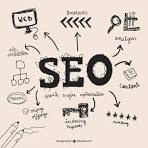 SEO brings in high-intent traffic. Email marketing nurtures existing leads. Social media builds trust and brand credibility.** The more relevant and personalized your message is, the higher the chances of conversion. 6. Builds Brand Awareness For any business, brand recognition is crucial. Digital marketing helps your business stay visible across different platforms our brand as a thought leader** in your industry. 7. Compete with Bigger Brands Digital marketing provides a level playing field. Small businesses can compete with large companies by creating compelling content, smart targeting, and personalized campaigns. You don’t. People are more inclined to remember and trust your brand when they see it frequently on websites, social media, and search engines. People are more inclined to remember and trust your brand when they see it frequently on websites, social media, and search engines. Content marketing, blogs, videos, and infographics also help position You need a massive budget to rank on Google or go viral on social media—you need the **right strategy** and **consistent efforts. 8. . Target the Correct AudienceDigital marketing, in contrast to conventional techniques, enables you to target specific customer segments. Through demographics, interests, behavior, and previous actions, you can show your ads or content to people who are most likely to buy. This ensures minimal waste of resources and maximum return on investment (ROI). 9. Mobile-Friendly Marketing More than half of all internet traffic comes from mobile devices Digital marketing ensures your content is optimized for mobile screens, offering a seamless user experience. Through SMS marketing, mobile-friendly websites, and mobile apps, businesses can stay connected with customers anytime, anywhere. 10. Data-Driven Decision Making Digital marketing relies heavily on data and analytics**, allowing businesses to refine their strategies continuously. Every campaign is tracked and analyzed. With this data, businesses can: Identify what works Remove what doesn’t Personalize user experience. Forecast future trends This ability to make quick, informed decisions improves marketing efficiency and profitability. Key Components of a Digital Marketing Strategy To understand its importance better, let’s explore the main components of a digital marketing plan 1. SEO, or search engine optimization, increases a website’s exposure on search engines such as Google. More organic traffic is correlated with a higher rank. 2. Content Marketing Creates informative and valuable content (blogs, videos, infographics) to attract and engage users. 3. Social Media Marketing** Builds a strong brand presence on platforms like Facebook, Instagram, LinkedIn, and Twitter. 4. Email Marketing Sends targeted messages to nurture leads, convert customers, and retain existing clients. 5. Pay-Per-Click Advertising (PPC)** Drives instant traffic through paid ads on search engines or social platforms. 6. Influencer and Affiliate Marketing Promotes your brand through influential people or affiliate networks for wider reach. Digital Marketing vs Traditional Marketing | Feature | Digital Marketing | Traditional Mar Cost | Low to Moderate | High | | Reach | Global
In conclusion, digital marketing is no longer an option—it is a necessity for business growth in today’s connected world. It allows businesses of all sizes to reach a global audience, target specific customer segments, and measure results with precision. Unlike traditional marketing, digital marketing offers cost-effective strategies such as SEO, social media marketing, email campaigns, and PPC advertising, enabling even small businesses to compete with larger brands.
Its real power lies in the ability to build strong customer relationships through personalized and engaging content, fostering loyalty and trust over time. By leveraging data-driven insights, businesses can continuously refine their strategies, respond quickly to market changes, and stay ahead of competitors.
Furthermore, digital marketing opens doors to new opportunities, from expanding into international markets to launching innovative products with minimal risk. In a fast-paced, technology-driven era, businesses that embrace digital marketing can achieve sustainable growth, increase brand visibility, and generate consistent revenue streams.
Ultimately, integrating digital marketing into your core business strategy ensures you remain relevant, competitive, and prepared for the future—making it one of the most powerful drivers of success in the modern marketplace.